Category: Brand Strategy

Runny fruit pudding in a glass bowl with cream and a small “Schlumpf Pudding” sign, illustrating how branding and presentation can change perception of a product

Schlumpf Pudding… and what a failed dessert taught me about branding

Brands and people – people probably more naturally so than brands – have a reputation. And unless you’re some super-gifted talent (or a sociopath), you probably care, varying amounts, about what other people think of you. Chances are you also care about keeping that reputation in good stead – or building on it and improving yourself.

When I work with clients on branding projects and we talk about perception and brand values, a story comes to mind that has little to do with business and everything to do with dessert.

Years ago I took a pudding to a garden party at my new boyfriend’s (now husband’s) mates. It was a ‘proven recipe’. Well, until that day – when it came out tasting great but looking utterly rubbish. Like really, really rubbish. It completely refused to set and looked like fruit soup… with runny cream on top.

Shops were shut. No time to start again. So we did the only sensible thing – we gave it a dramatic German name and served it like that had been the plan all along. Born was the Schlumpf Pudding. Smurf pudding, essentially – German-sounding enough to be plausible, weird enough that nobody could call us out on it.

Not a single raised eyebrow. Bowl completely empty by the end of the afternoon. Reputation as ‘quite ok in the cooking department’ intact.

I’ve thought about that pudding a lot over the years, because I see the same thing play out in branding all the time.

Nothing about the product changed. Same ingredients. Same result. What changed was the framing – the name, the confidence, the complete absence of apology. And that alone shifted how people experienced it.

But – and this is the bit that actually matters – it only worked because it tasted amazing. Confidence on its own isn’t enough. The name might have nudged people to try it despite appearances (remember the Fiat Multipla?!) – but the taste was what made them finish it.

So where does branding come into this?

Well, quite a lot actually. Because what happened that afternoon in someone’s garden wasn’t magic – it was positioning. And I see businesses get this wrong, and get it right, every single week.

The quality is almost never the problem. What lets established businesses down is the gap between how good they actually are and how confidently their brand communicates it. That gap is doing quiet, invisible damage – to first impressions, to client decisions, to opportunities that never even make it to a conversation.

Here are three things worth thinking about.

1. Is your brand apologising for itself?

This is subtler than it sounds. Nobody sits down and writes “we’re not sure we’re good enough” on their website. But it leaks through in other ways.

Vague language that hedges instead of commits. A visual identity that looks a bit tired but “does the job”. An About page that lists what you do but never quite says why you’re the right choice. A pitch that over-explains because you’re not sure the work speaks for itself.

The tell-tale sign? You find yourself verbally filling in the gaps – explaining your brand rather than letting it do the talking. If you’re constantly clarifying, contextualising, or qualifying what you do, your brand isn’t carrying its weight.

Ask yourself: if someone landed on your website cold, with no prior knowledge of you, would they immediately feel the quality of what you do – or would they have to look quite hard to find it?

2. Confidence isn’t arrogance – and the difference matters

There’s a version of this advice that makes people uncomfortable. “Just be more confident” can sound like “just pretend to be something you’re not” – and that feels dishonest.

But there’s a real distinction between arrogance and confidence, and it’s worth being clear about it.

Arrogance is overstating what you are. Confidence is simply not understating it.

The Schlumpf Pudding wasn’t presented as a Michelin-starred creation. It was just presented without apology, as a thing that existed and had a name and was entirely intentional. That’s all. We didn’t claim it was the best pudding anyone had ever tasted. We just didn’t tell everyone it had gone wrong.

Your brand doesn’t need to shout. It doesn’t need to claim things it can’t back up. It just needs to stop quietly signalling doubt. There’s a version of your business that speaks plainly, stands behind its work, and trusts the quality to do the rest. That’s not arrogance. That’s just good branding.

The test: read your website copy out loud. Does it sound like someone who believes in what they do – or someone hoping you won’t notice the wobble?

3. You often don’t need a new recipe – just better presentation

This is the one that surprises people most. They come to me expecting a complete overhaul and leave realising that the bones were good all along.

A full rebrand isn’t always the answer. Sometimes the answer is cleaner messaging that says what you actually do, without the waffle. Sometimes it’s a visual identity that’s been refreshed rather than replaced – brought up to date so it reflects the business you are now, not the one you were ten years ago. Sometimes it’s simply the confidence to lead with your best work rather than burying it three clicks deep.

None of that requires starting from scratch. It requires being honest about what’s working, what isn’t, and what you’ve been too close to it to see clearly.

That’s usually where I come in – not to reinvent the recipe, but to help you serve it properly.

The gap between what you are and how you’re coming across

Most businesses I work with aren’t struggling because they’re not good enough. They’re struggling because their brand hasn’t kept pace with them. It was built at a different stage, for a different version of the business, and it’s been quietly undermining them ever since.

The good news is that the gap between what you are and how you’re coming across is almost always smaller than it feels. You’re not starting from scratch. You’re just overdue a proper look at what’s getting in the way.

So – hand on heart – does your brand do you justice? Not just visually, but in the way it speaks, the impression it leaves, the clients it attracts?

If there’s a flicker of “not quite” in your answer, that’s worth paying attention to.

Fancy a chat?

If any of this resonates, I’d love to have a chat with you about what’s working for your brand, what isn’t, and what might be getting in the way.

Book a discovery call here.

brand guidelines for consistency

Brand Consistency: More than Just a Logo

In a world brimming with options for virtually every product or service, how do you make your brand stand out? Brand consistency is one of the crucial elements in achieving this, but it is often overlooked or misunderstood. Branding is not just about a memorable logo or a catchy slogan; it’s an integrated strategy that involves several aspects, from tone to visuals to customer experience. But why is brand consistency so important for both emerging and established businesses?

What is Brand Consistency?

In essence, brand consistency means maintaining a coherent and unified presentation across all platforms and touchpoints where your business interacts with the public. This could include your website, social media, advertisements, products, customer service, and even the way your team communicates internally.

Why Does Brand Consistency Matter?

Recognition and Trust

One of the most important reasons for maintaining brand consistency is the role it plays in customer recognition and trust. When a consumer sees the same colors, typography, and images across your marketing materials, they are more likely to remember your brand. Over time, this builds trust and creates a sense of reliability around your products or services.

Competitive Edge

Consistent branding also helps you stand out in a crowded marketplace. When a customer is overwhelmed by choices, they are more likely to opt for a brand that they recognize and trust. Your unique brand elements make it easier for customers to spot you amid a sea of competitors.

Emotional Connection

Beyond the practical aspects, consistent branding also helps in forming an emotional connection with your audience. Humans are creatures of habit; we find comfort in the familiar. When a brand consistently delivers the same message and quality, it reassures the customer and strengthens emotional ties.

Streamlined Marketing Efforts

From a business perspective, brand consistency simplifies the decision-making process when it comes to marketing efforts. A well-established brand guide means that your team doesn’t have to reinvent the wheel every time they create a new campaign or update social media.

Adds Value

Consistent branding goes beyond mere recognition; it adds value to your business. Apple is a prime example of this. Their consistent branding efforts over decades have led to a perception of quality, innovation, and luxury, allowing them to charge premium prices for their products.

How to Achieve Brand Consistency?

Establish a Brand Guide

A brand guide serves as a blueprint that outlines the parameters of your brand’s visual and communicative elements. This includes specific color codes, typography, tone of voice, and even guidelines on imagery and photography. I’ve recently completed the design for four brands of the newly opened Hyatt Regency Blackfriars in London and the brand guide is a proper book – but as this is a brand with lots of different suppliers, it’s absolutely vital to ensure consistency in the use of the new brand identity.

Consistent Communication

The whole subject of brand consistency applies not just to external communication but also internal. Everyone on your team should be aware of and aligned with the brand’s mission, vision, and values. Internal workshops and good on-boarding sessions for new team members can help everyone start singing from the same hymn sheet – and knowing why…

Regular Audits

With changing marketing channels and trends, it’s essential to regularly audit your brand’s presence across all platforms to ensure consistency. A brand manager can focus solely on making sure publications, PR, internal and external messages follow the ‘holy brand grail’ – but for smaller businesses, again, internal workshops or training sessions and mini brand audits can be valuable resources to help create this consistency from the ground up.

Leverage Technology

Use digital asset management systems to store and manage your brand’s assets. This ensures that your team has access to up-to-date resources, reducing the likelihood of inconsistencies. There are lots of different software products to use – from brand asset libraries to template creator SaaS offerings; the choice is yours.

Be patient… consistency takes time.

Brand consistency is not a one-off task but an ongoing strategy that requires attention, effort, and investment. When executed correctly, it adds significant value to your business, making it more memorable, reliable, and engaging. As Jeff Bezos once said, “Your brand is what other people say about you when you’re not in the room.” Make sure they’re saying what you want them to say by investing in brand consistency.

Brand name generation for international businesses

How to come up with a brand name that works internationally as well as locally

Creating a brand starts with a name. But finding the right name, especially one that works internationally as well as locally, can take time and effort. Here are some tips on how to come up with a brand name that works internationally as well as locally. (Coca-Cola launched an entire website to explain its new branding strategy named “Tribe.” The company also released a video explaining the meaning of the word tribe and why it was so important for their new direction.) Creating a brand is more than just coming up with a name for your business or product; it’s about understanding what makes it unique and memorable and what you want people to intuitively associate with when they think about your brand.

Know your audience

Who is your target audience? What do they want? What are their needs? These are the questions you need to ask yourself when deciding how you want to brand your company. These are the people you want to engage with and connect with your product or service. You want to make sure the name you choose resonates with them and is easily understood within the culture they are in. For example: If you’re looking to brand a product that is going to be sold internationally, making sure it has an English name will make it easy for everyone to understand what it is. You don’t want to choose a name that only works in English like some other languages might have trouble pronouncing or spelling it correctly. You also don’t want to pick a name that is too long, as that may make it harder for others to remember or spread the word about your product.

Find the right words

Once you have an idea of who your product or company is targeting, you’ll want to start thinking about the words you want to be associated with your business. Here are a few things to keep in mind when you’re trying to find the right words for your business or product. – What is your product or service? This is the first thing you’ll want to figure out. What do you want to sell? – What is the problem your product solves? Next, you’ll want to identify who your product solves the problem for and why they would want your product. – What is your company culture? Finally, you’ll want to think about how your company culture is unique and special. – How do these things tie in together? You can then start to piece together the words that fit your product or service best.

Check the vocabulary

Now that you have some words in mind, it’s time to double-check those words are not already being used by another company. To do this, you can use a search engine like Google. Type in the name of the product or service you’re trying to sell. Then, scroll down to the “Autocomplete” section. This will show you the top words that people have searched for before or are searching for now. This is a great way to make sure that your product name doesn’t show up in the same list when someone searches for the product. Another way to check the vocabulary is to type those words into a search engine and then click on the “Images” tab. This will show you if the image search results include any results for competing branding but it will also help see if there is perhaps any unwanted association with the word. It may be an idea to work with different native-speaking researchers for international brands to ensure you avoid the pitfalls of brand names for foreign markets. There are lots of examples of what not to do on the internet, so make sure you avoid mistakes by not considering cultural and language references.

Narrow down your choices

To help find the perfect name, here are a few different things you should keep in mind when making the final decision. – How does it sound? Does it flow nicely when you say it out loud? Does it fit the mood you want to create? – Is it easy to spell? You don’t want to choose a name that is too long, as that may make it harder for others to remember or spread the word about your product. – Is it easy to remember? You want to make it easy for others to recall your brand name. – Does it fit the culture and language you are marketing to? You don’t want to choose a name that is too complicated for others to understand.

At some point, you should be able to pick a name that will help, not hinder, your brand. Remember, whilst the name is not everything, it is an important part of the sum of the brand and it will come to life in the brand identity design – so pick wisely!

brand strategy and design execution humour

Missed opportunity alert

I love working on brand strategy and design projects, and I’ve always seen the two as interconnected. For me, graphic, web or interior design are all tools to bring a company’s message to life in many different ways. Which is why I am on the lookout for the good, the bad and the ugly when it comes to business designs.

Take this one… a sponsored traffic island. Surely, this is a great opportunity for brands to have their company name and logo seen by all the passing traffic. What’s not to like – especially in the centre of Birmingham! It’s a great example of executing a company’s brand strategy and design project in real life – or that’s the theory at least.

Well… I would say well done, and even ignore the fact that the sign itself is not exactly inspiring or eye catching, but definitely not when it looks like this!

The link between brand strategy and design in situ on this crazy roundabout
Would you want to buy a bed or mattress from someone that surrounds themselves by mess?


Your strategy and how you design are connected in many ways

You may think what’s that got to do with my brand management? I think it’s got everything to do with it – and whilst it may be a tiny example of a careless approach, it’s a good one for why it’s important to consider different effects of designs on your business and brand building efforts.

It may be that this company has paid to be on the sign on the roundabout, but it’s the council’s responsibility to keep it tidy, but anyone looking at it, whether they are in the brand strategy and design field or not, won’t care about who should have gotten the lawnmower and dustbins out. It just reflects badly on the brand. It also doesn’t help the reputation of the town council, but it’s not their name on the sign.

You wouldn’t expect the brand owners to manage the island themselves, but they could have picked up the phone to whoever sold them the spot and complained. And if that didn’t get a result, withdraw the sponsorship and ask them to take the sign down. I would imagine there must be some sort of clause in the contract that stipulates what sponsoring an island means – and when an island is no longer an island, but a pit.

Looking at it another way, there could be a branding opportunity for someone dealing with waste disposal. It would at least create some connection between the state of the surroundings and the brand advertising on site. You’d just hope there was then a campaign linked to it which meant they would actually sponsor the cleanup after a few weeks and document it on social media and their website.

It’s all connected – brand strategy and design execution

Working in a design studio in Sutton Coldfield means we naturally become involved in all sorts of marketing projects for local companies that are looking to scale up, reach more clients and improve their services. I remember creating wooden A-boards with protected, changeable information sheets for Lichfield Cathedral. They could have just used on the old, existing ones – but they understood that it all fits together, and having even those external bits of signage or advertising treated like an important part of your brand adds integrity.

Signage in particular is so often a missed opportunity. We all know the box standard fonts, with letters sizes to the max without any breathing space, on glaring plastic shop front panels without any character or brand style. Having been in the business of brand strategy and design for about two decades now, it saddens me to see that we still can’t manage to make high street signage for independent shops attractive.

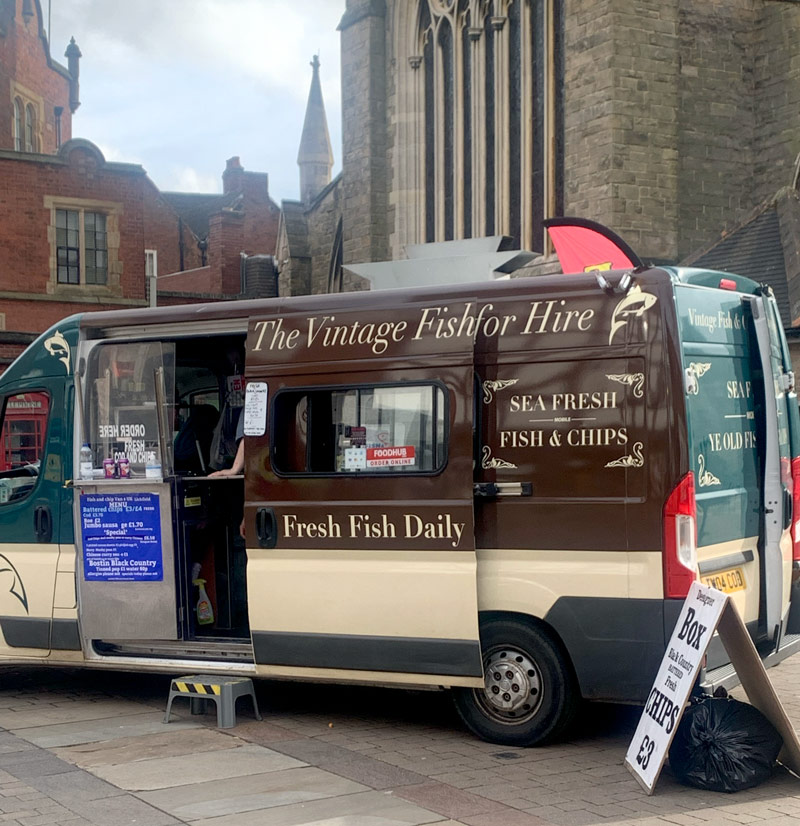
Talking of Lichfield, here is another lovely little example of an execution that has gone just a bit fishy.

Vintage fish for hire! Anyone?

It’s a bit of a giggle, and it’s not the end of the world – but again, it’s a missed opportunity. What else could have been on those doors that actually results in a meaningful message when you slide it open? It could be such a fun detail of brand design and make the business stand out not just with their products…

In my mind it doesn’t matter how big or small you are as a company. It’s good practice to decide on your brand strategy and design accordingly. And it can be fun, creative and innovative even if you don’t have crazy corporate budgets, just by thinking and planning carefully.

As for sponsoring anything – make sure there is a link between what you are putting your name on and what it represents… you may be better off without it.

kiss-your-brand

Kiss your brand

K.I.S.S. stands for Keep It Simple Stupid. It’s a a design principle noted by the U.S. Navy back in 1960. If you are a linguist, you may just need to ignore the obvious flaw in the abbreviation…

K.I.S.S. is a great principle that can be applied to many situations. (Nobody likes things complicated).

Looking at your brand strategy, for example. Make sure your brand message is really simple. So simple, that everyone in your audience can ‘get it’. That way you can reach everyone you intend to – and you don’t alienate people with industry jargon. (Nobody wants to feel stupid.)

If you don’t have a clear vision for your brand, your audience won’t stand a chance. (Not even if they are mind readers).

Just like a brand strategy, your brand identity shouldn’t be complicated, either. Clutter never helps – not in your home and especially not in your brand and marketing material. A clear and simple message doesn’t have to be boring, you an use beautiful typography and photography, textures and finishes (if you print) to let every little element of your marketing material tell your story.

Go ahead, give your brand a big K.I.S.S.!

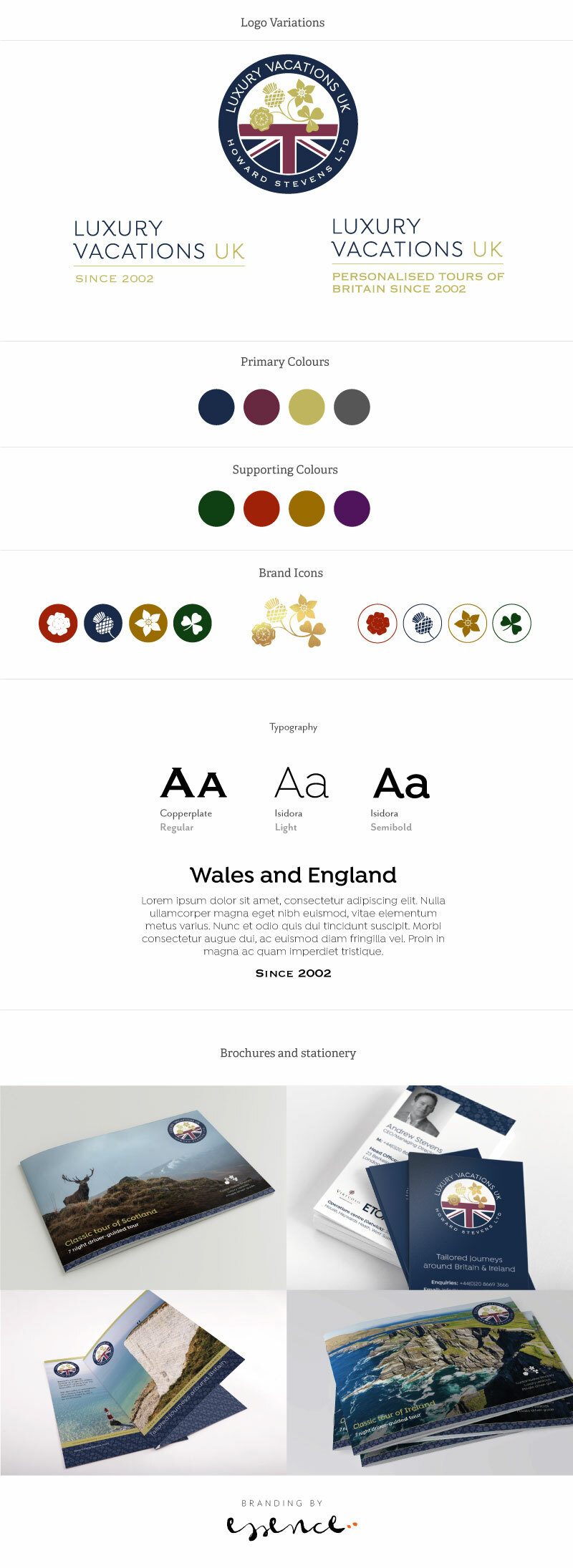
New brand identity for High-end Tour Operator Luxury Vacations UK

Luxury Vacations UK had outgrown its existing brand we developed for the client over a decade ago. The timing was planned to coincide with a major re-work of the tour operator’s website, as well as their promotional tour guides and the introduction of branded tour videos.

The new brand identity combines the UK’s iconic symbols of England, Scotland, Wales and Northern Ireland together with a classic, luxurious colour palette and visual details to be used in the material.

The re-brand focused on the company’s main audience, visitors from the US, who have cultural expectations and perceptions of the UK as a destination. The brand features a contemporary and non-cliché translation of the company’s values, deeply connected to their highest standards for customer service, luxury accommodation and the tours designed to allow overseas visitors experiencing ‘the real UK’. Delivering engaging, professional and expert tours with chauffeur guides has always been at the heart of the business and shows in the personal writing style of the copy, as well as the eclectic photography showcasing the tours’ highlights.

Using gold foil and a bespoke colour for each of the constituent countries means the brand identity is versatile to branch out into sub brands for regional promotional campaigns whilst remaining a recognisable badge for high quality luxury guided tours in the UK.

The brand has been rolled out across the new website, marketing materials and videos.